Procrastination Types: Why We Delay and How to Start
Understanding the types of procrastination can help us recognize our own patterns, empowering us to tackle delays head-on and enhance our productivity and motivation.
What Is Procrastination?
Procrastination is a common human behavior involving postponing tasks despite their importance. Whether it's pushing off studying, avoiding household chores, or stalling on work projects, everyone has faced procrastination at some point. Often, it’s accompanied by a feeling of guilt, stress, or anxiety about the deadlines looming over us.
But why do we procrastinate? The answer often lies in understanding our psychological triggers and knowing that there are different types of procrastination.
Types of Procrastination
Recognizing the type of procrastination you're experiencing can be the first step in overcoming it. Here are the main categories of procrastination:
- Perfectionism: This occurs when individuals strive for perfection, which can lead to fear of failure. As a result, the task remains untouched.
- Avoidance: This type involves avoiding tasks due to anxiety or discomfort associated with them—think of fear of making mistakes or being judged.
- Overwhelm: When tasks seem too large or complex, it can lead people to put them off. The “do it later” mindset kicks in to ease the perceived load.
- Lack of Motivation: Sometimes, a lack of interest or motivation will halt progress. If a task doesn’t seem rewarding or necessary, it’s easy to delay it.
Understanding the Psychology Behind Procrastination
The reasons we procrastinate are deeply psychological, often linked to how we perceive tasks and our emotional responses towards them. Here’s a closer look at psychology behind procrastination:
- Task Aversion: Feeling disinterested or annoyed by a task can lead to active avoidance.
- Instant Gratification: Nowadays, with the constant lure of entertainment and social media, the immediate satisfaction can sideline long-term commitments.
- Fear of Failure: A fear of not meeting expectations (self-imposed or otherwise) can stall progress as individuals avoid confronting potential disappointment.
Emotion versus Logic
Procrastination often occurs when emotions win over logic. For instance, even if we know that a project is essential, the emotional discomfort of starting it can lead to avoidance, pushing rational planning aside.
Practical Strategies to Overcome Procrastination
Now that we understand the different types of procrastination, how can we creatively tackle it? Here are some actionable strategies:
- Set Clear Goals: Break down your larger tasks into smaller, manageable goals that feel less daunting.
- Use Timers: Employ a technique like the Pomodoro Technique—work for 25 minutes and take a 5-minute break to maintain focus.
- Visualize Success: Picture how completing your tasks will benefit you, creating a positive mental association with those tasks.
- Reward Yourself: Create a reward system where completing tasks earns you small treats or breaks that incentivize progress.
- Find an Accountability Partner: Sharing your goals with someone else can motivate you to stick to your commitments and overcome procrastination.
The Role of Cognitive Skills in Productivity
Enhancing cognitive skills can significantly assist in fighting procrastination. Games, such as those featured in working memory training and problem-solving brain puzzles, can improve focus, motivation, and the overall capacity to tackle tasks effectively.
Moreover, training skills like cognitive flexibility aids in switching between tasks seamlessly, while improving processing speed enhances overall efficiency—all essential components in reducing procrastination tendencies.
Getting Started with Brain-Training Games
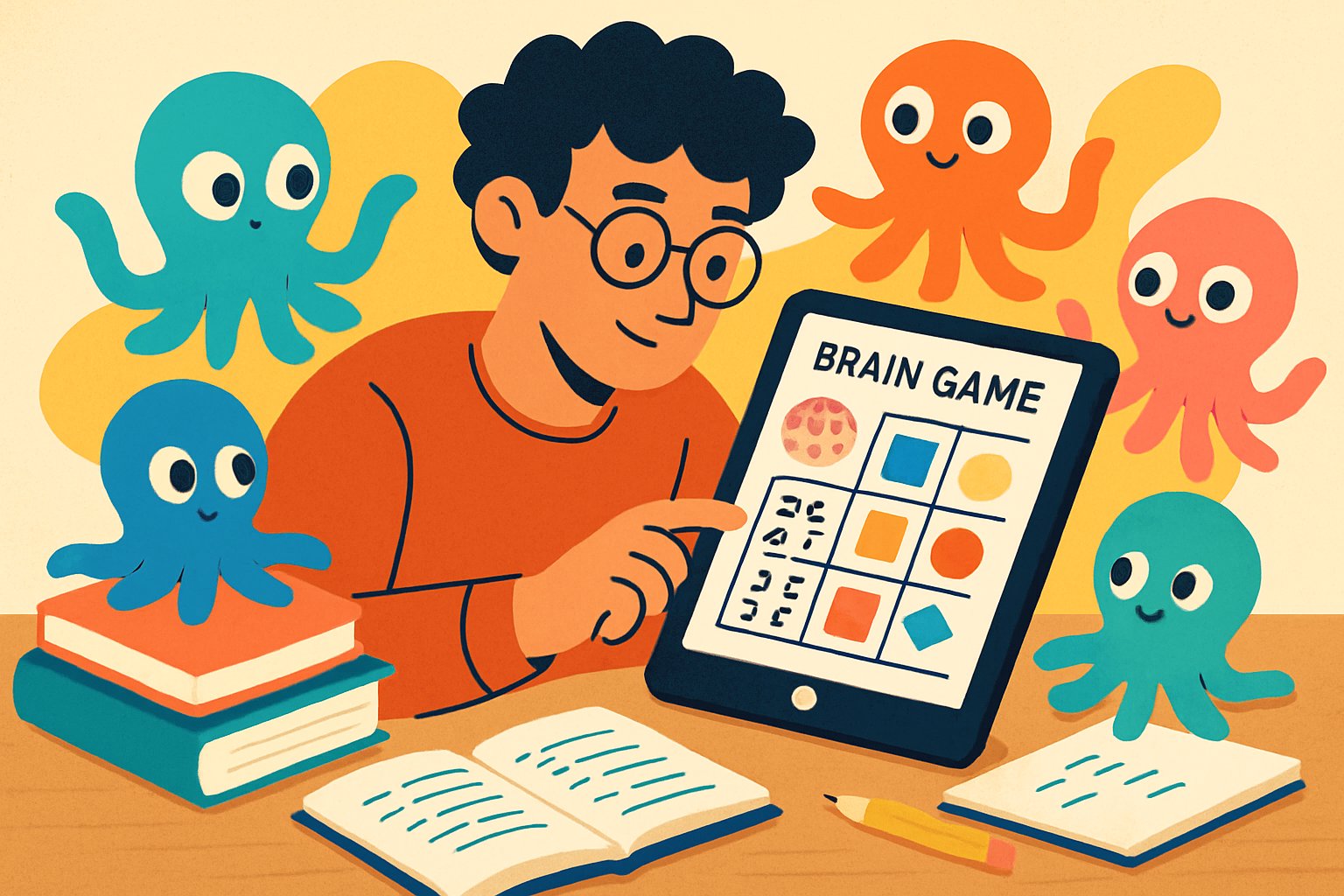
Brain-training games, like those in Shoorbaloo, are not just for entertainment; they can sharpen mental agility and make it easier to tackle procrastinated tasks. By employing engaging gameplay mechanics, players sharpen their attention, problem-solving skills, and mental speed—all crucial to overcoming the urge to procrastinate.
Building a Self-Motivating Environment
Your environment plays a major role in your productivity levels. Here’s how you can create an encouraging setting:
- Declutter Your Space: A tidy and organized workspace can enhance focus and reduce distractions.
- Minimize Distractions: Identify distractions in your workspace, such as mobile devices or notifications, and minimize them.
- Incorporate Positive Reinforcement: Surround yourself with motivational quotes, achievement pictures, or reminders of your goals.
Practice Mindfulness
Mindfulness techniques can also help manage emotions that contribute to procrastination. By fostering a greater sense of awareness, one can better navigate task avoidance behaviors. Mindfulness practices, including meditation, can lead to improved focus and reduced anxiety—key factors in combating procrastination.
Final Thoughts on Procrastination and Productivity
Procrastination doesn’t have to be a lingering adversary. By understanding the types of procrastination, recognizing your unique triggers, and employing practical strategies, you can reclaim your productivity and motivation. Get started today by trying out brain-training games to sharpen your cognitive skills and battle procrastination once and for all!
For more insights on enhancing cognitive processes, also check out our articles on the Dual N-Back brain game and mastering the Flanker task.
Frequently asked questions
What are the main types of procrastination?
The main types include perfectionism, avoidance, overwhelm, and lack of motivation.
How can I overcome procrastination?
Set clear goals, use timers, visualize success, reward yourself, and find an accountability partner.
What role do cognitive skills play in productivity?
Stronger cognitive skills improve focus and problem-solving abilities, helping to reduce procrastination.
Can games help with procrastination?
Yes, engaging games can sharpen cognitive skills, making it easier to tackle tasks.
What is mindfulness in relation to procrastination?
Mindfulness techniques can enhance awareness and reduce anxiety, helping to navigate procrastination behaviors.