Color Match: Building the Brain's Brake Pedal
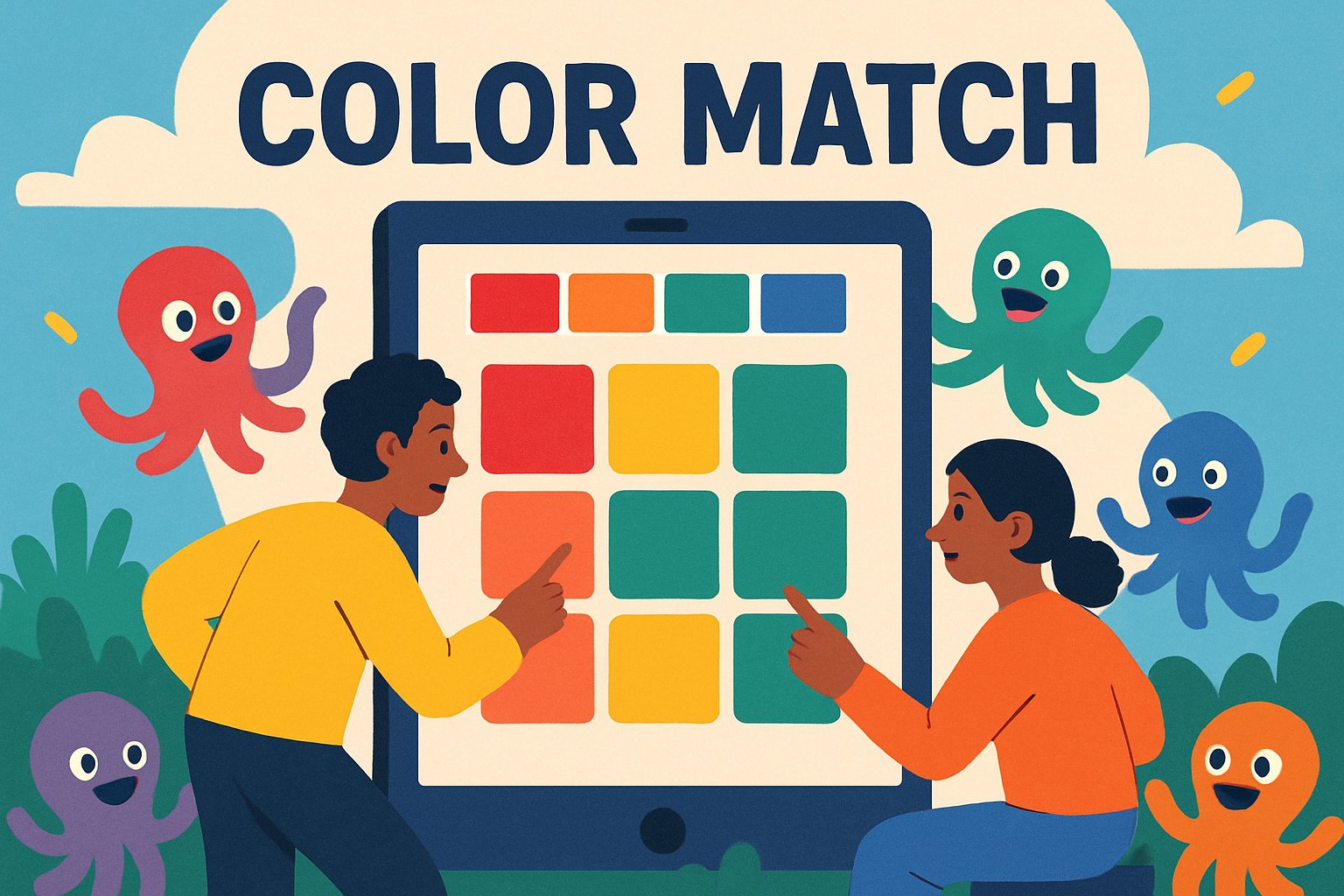
Playing the Color Match game can strengthen your brain's ability to suppress tempting but incorrect choices, enhancing your self-control and everyday impulse management.
Introduction: Understanding Response Inhibition
In our fast-paced world, our ability to manage impulses is more crucial than ever. This is where response inhibition and self-regulation come into play. Response inhibition refers to the cognitive ability to suppress responses that are inappropriate or incorrect, while self-regulation is the broader skill of managing your thoughts, emotions, and behaviors. Imagine you're playing the Color Match game, a fun and educational tool designed to improve these skills through engaging tasks.
The Science of Response Inhibition
Response inhibition is an essential component of cognitive control, allowing us to navigate life without succumbing to every urge or impulse. Here’s how it works:
- Executive Functions: This set of cognitive processes works together to help you plan, focus attention, remember instructions, and juggle multiple tasks.
- Prefrontal Cortex: This brain region is pivotal for inhibitory control, playing a vital role in self-regulation.
- Task-Switching: Effective response inhibition allows us to switch from one task to another without losing focus.
Everyday Applications of Response Inhibition
Response inhibition isn’t just a theoretical concept; it fundamentally shapes our daily interactions. Here are some practical examples:
- Resisting Temptation: Choosing a healthy snack instead of junk food.
- Staying Focused: Ignoring distractions in a busy environment while studying.
- Managing Emotions: Withholding a negative reaction during a disagreement.
Impulse Control and Self-Regulation Explained
Impulse control is the ability to delay gratification and restrain immediate urges. Self-regulation is about implementing those impulse control strategies effectively. How can understanding these concepts enhance your life? Here are some benefits:
- Improved academic and work performance.
- Stronger relationships through better emotional management.
- Enhanced mental and physical well-being.
Connecting Brain Games with Real-Life Benefits
Engaging with brain-training games like Shoorbaloo can help improve your cognitive skills, including response inhibition. Playing games that challenge your impulse control can translate to everyday tasks, reinforcing your self-regulation skills.
How Does the Color Match Game Work?
The Color Match game is a fun yet challenging task that helps train your brain's ability to resist the urge to respond automatically. Here’s how it develops your inhibitory control:
- Color Recognition: Players must tap the correct color that corresponds with a displayed word, even when it suggests a different color to tap. This forces players to disregard a tempting but wrong answer.
- Time Pressure: Quick decision-making under time constraints enhances your brain's processing speed while training response inhibition.
- Sustained Attention: Players must remain focused and avoid distractions, honing their overall ability to suppress irrelevant information.
Leveling Up Your Self-Control
Regular practice with the Color Match game can lead to visible improvements in your everyday life. Here’s a fun way to track your progress:
- Set a time each day for practice.
- Keep a journal of instances where your impulse control has improved.
- Refine your strategies for tackling daily distractions.
Inhibitory Control in Children and Adults
Inhibitory control is critical across all age groups. For children, learning to manage their impulses can significantly affect their academic and social success. For adults, self-regulation fosters healthier decision-making in both personal and professional lives. Did you know that studies from reputable sources like the National Institutes of Health suggest that training in these areas leads to better long-term outcomes? Understanding this can enhance our approach to cognitive games.
Conclusion: Return of the Brain’s Brake Pedal
Building response inhibition and self-control is not just for brain enthusiasts; it’s a necessity of daily life. By playing games like Color Match, you not only enjoy a playful experience but also take significant strides to enhance your brain’s brake pedal. As you practice, the skills you develop can empower you to make better decisions, navigate the world with greater ease, and boost overall cognitive function. So, grab your favorite octopus character from Shoorbaloo and get started today!
For more brain-training insights, check out our articles on problem-solving brain puzzles and cognitive flexibility.
Frequently asked questions
What is response inhibition?
Response inhibition is the ability to suppress inappropriate or incorrect impulses.
How can games like Color Match help with self-control?
Games like Color Match provide engaging challenges that train your brain to manage impulses better.
Is self-regulation important in everyday life?
Yes, self-regulation is crucial for effective decision-making and emotional management.
Can enhancing impulse control improve my relationships?
Absolutely! Better impulse control leads to improved emotional management and stronger relationships.